5,000+
Residents Reached
Community members reached through medical outreach, screening, education, and referral activities.
Community health Outreach across Ondo State
Glow Health Outreach Initiative tracks reach, service delivery, referrals, and community feedback so partners can see how free healthcare support is changing lives.
Impact dashboard
5,000+
Community members reached through medical outreach, screening, education, and referral activities.
1,500+
Clinical reviews supported by doctors, nurses, pharmacists, and allied health volunteers.
800+
Essential medication support provided with counseling where clinically appropriate.
100+
Medical, logistics, media, student, and community volunteers supporting organized field care.
Community reach
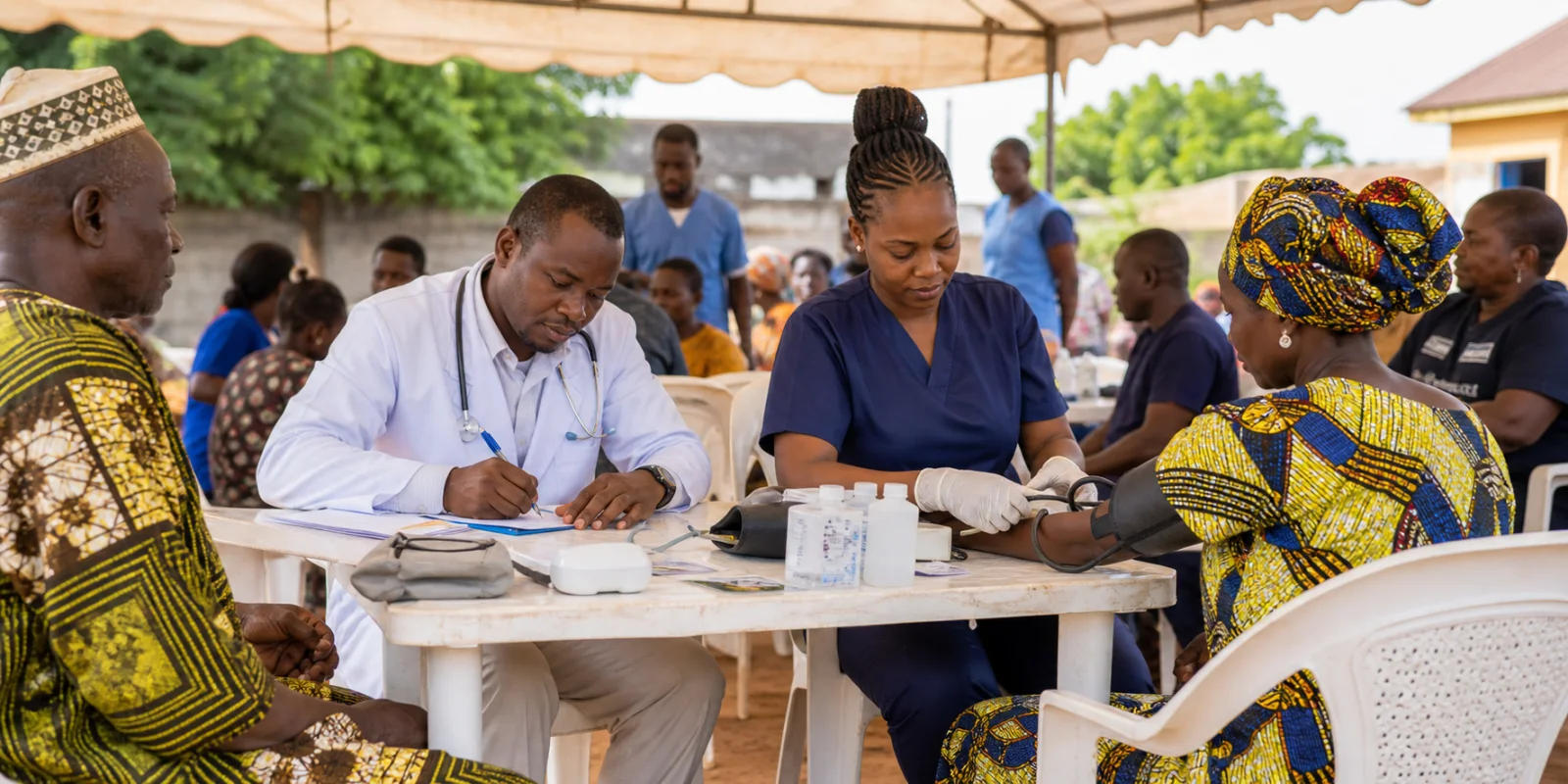
The initiative combines media reach, local registration, community volunteers, and healthcare professionals to identify where free outreach can close urgent access gaps.
Active outreach zone
Consultations, screening, medication support
Community engagement
Health education and volunteer mobilization
Resident registration
Blood pressure and blood sugar awareness
Local partner mapping
Malaria prevention and family wellness
Follow-up support
Referral guidance and health talks
Community health education
Prevention, hygiene, and medication safety
Volunteer coordination
Registration flow and elderly resident support
Stakeholder engagement
Partnership and sponsorship coordination
Outcome areas
Screening helps residents identify hypertension, diabetes risk, malaria symptoms, and other common concerns before complications become severe.
More residents leave with clear next steps for care.
Free consultation, screening, and selected medication support reduce the immediate cost that keeps families from seeking timely help.
Care becomes easier to access for low-income households.
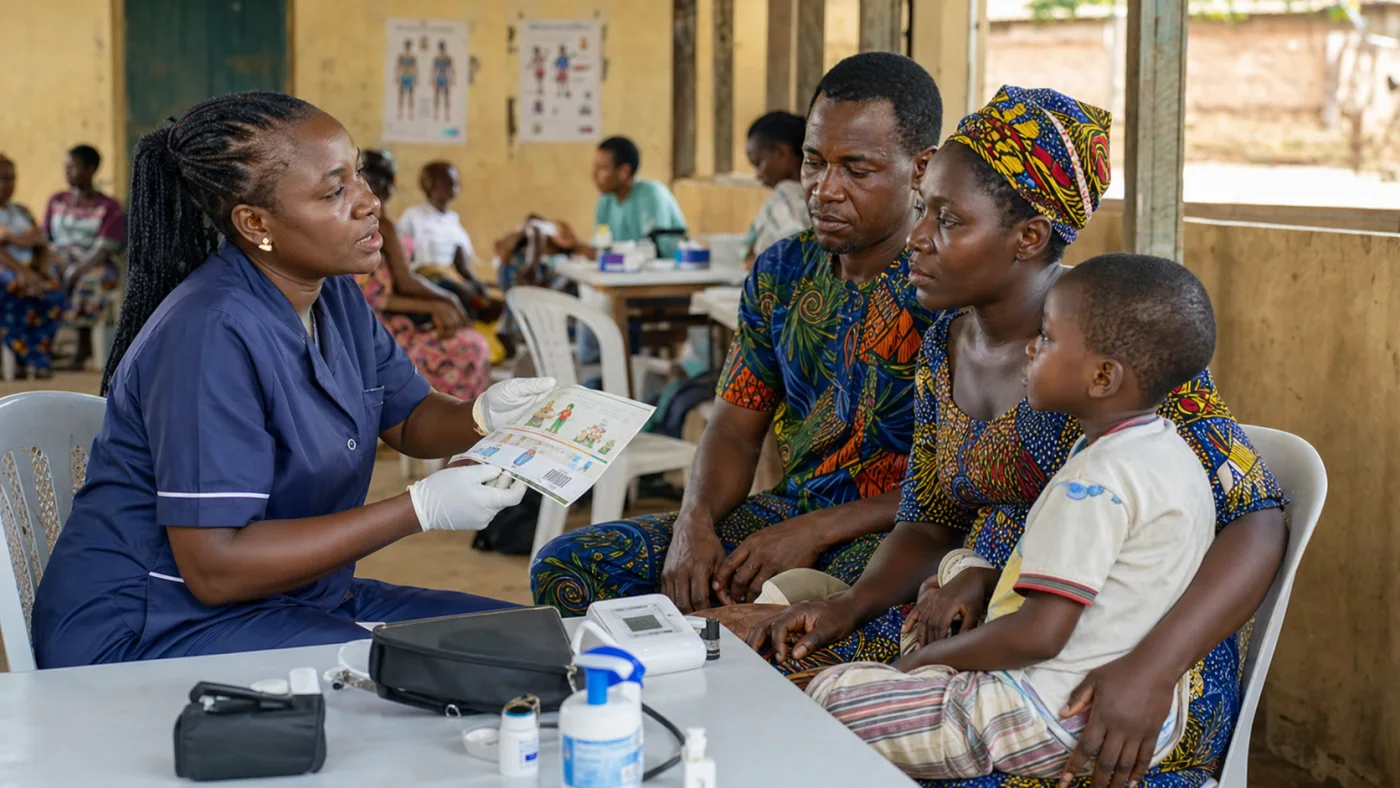
Short health talks translate medical advice into practical daily habits for families, market women, elderly residents, and young people.
Residents understand prevention, medication use, and warning signs.
Residents with conditions that require advanced care receive referral direction and follow-up guidance after the outreach.
Serious cases are guided toward appropriate facilities.
Human results
Community health work is measured in screenings, consultations, and medications, but it is also measured in clarity, dignity, timely referral, and trust.
The blood pressure check helped me understand why I had been feeling weak. The nurse explained the result and what I should do next.
Mrs. Funke A.
Resident, Akure South
The structure matters. People are registered, screened, counseled, and referred instead of being left confused after the outreach.
Tosin Adeyemi
Volunteer coordinator
Community outreach works best when prevention, treatment guidance, and follow-up are handled together. This initiative is building that culture.
Dr. K. Oladimeji
Medical volunteer
Transparency
The goal is to make outreach activity understandable to residents, volunteers, NGOs, public agencies, and sponsors who want evidence of community value.
Primary coverage
Akure and surrounding communities
Core services tracked
Consultation, screening, medication support, education, referral
Data sources
Registration desk, clinical stations, pharmacy records, volunteer reports
Reporting focus
Reach, service volume, referral needs, community feedback
Help deepen the impact
Partnerships make it possible to add more screening supplies, medications, referral support, logistics, and follow-up capacity.